(Tips To Handle Resistance (5) Cont. 4)
5. Engage the 'right' managers to handle resistance (not everyone is suitable to to handle resistance; some examples of apt choices:
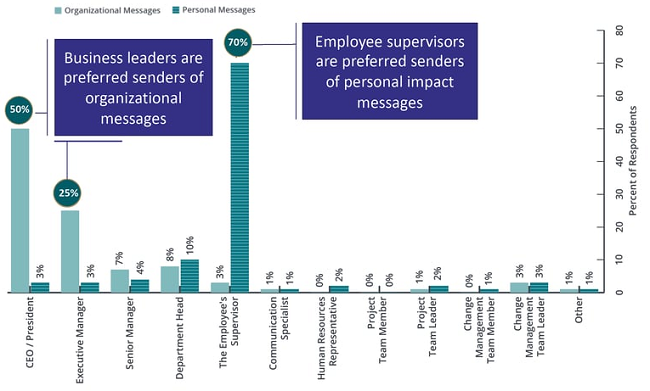
- senior leaders can help mitigate resistance by making a compelling case for the need for change and demonstrating their commitment to it; staff will look to senior leaders to determine if the change is important or not;
"...if senior leaders are not committed to a change or waver in their support, staff also consider the change to be unimportant and resisted..."
Prosci, 2023o
- people managers (because they are closest to the staff who are going to ultimately adopt and use the change in their daily work life, their reaction is pivotal: if they are resistant, or even neutral, their direct reports will most likely follow suit.
(source: Prosci, 2023q)
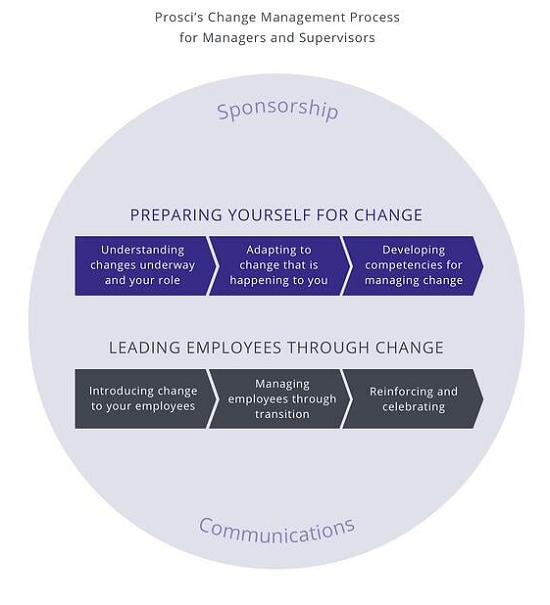
People managers have 5 unique and important roles played during the times of change (CLARC roles):
"...- communicator (share personal impact messages with direct reports about the change)
- liaison (engage with and support the project team)
- advocate (demonstrate support for the change)
- resistance manager (identify and mitigate resistance to the change)
- coach (help employees through the change process)..."
Prosci, 2023q
The direct reports want to know from their immediate boss the answer to the following questions:
"...- What does this change mean for me?
- What's in it for me?
- Why should I get on board?
- Why are we doing this?..."
Prosci, 2023q
Project managers
- can be a conduit to and from employees and project teams/management, eg for feedback, identifying functional needs and concerns during the implementation phase
- demonstrate their support for change in active and observable ways
- must be engaged with and support change as employees, not just as managers
- understand the root causes of resistance and the unique barriers, plus offer solutions to address the root causes and barriers
- provide necessary training, information and support.
NB The roles of coach and resistance manager usually represent the biggest departure from the roles people managers have historically played in the organisation.
(source: Prosci, 2023q
Some questions for people managers:
- Do people managers know what to expect from them in times of change?
- Do people managers fully understand the specific actions and behaviours you need from them to support the change?
- Have you equipped them with the skills and tools they need to be successful at leading their people and teams through change?
Ideally the answers will be 'yes' to the above 3 questions; the answer is 'no', some work needs to be done.
NB At the same time, listen to what resistors are saying as they could be informing you of potential challenges that need addressing.