(Some Ways to Reduce Resistance (7) cont. 1)
iii) acknowledge that some change will have negative impacts (don't try to sell bad news as positive, as this will erode trust:
"...it's better to acknowledge issues and explain the circumstances in a matter-of-fact way..."
Mike Raia, 2021)
iv) do change management right the first time (apply effective change management concepts at the start, ie activate and engage employees from the start
"...capture and leverage in the fashion in positive emotion surrounding a change of events resistance occurring in the first place..."
Prosci, 2022b
It has been estimated that around 50% of employees' resistance could have been avoided by implementing effective change management practices and principles such as
"...- utilising a structured change management approach from the initiation of the project
- engaging senior leaders as active and visible sponsors of the change
- recruiting support from people managers as advocates for the change
- communicating the need to change, its impact on individuals, and the benefits to employees (answering 'what's in it for me?'......they can actually prevent resistance from happening when they happen early in the project life-cycle because they help front-line employees understand the 'why' behind the change and see the commitment from leaders throughout the organisation. This also prevents resistance later in the project when it can adversely impact benefits realisation, project schedules and budgets..."
Prosci, 2022b)
v) be proactive rather than reactive (resistance prevention as a way to address and mitigate resistance as early as possible, ie
a) Prepare approach
- define success (What are we trying to achieve?)
- define impact (Who will have to do their jobs differently and how?)
- define approach (What will it take to achieve success and what will it look like?)
NB Identify specific risks by conducting risk assessment, ie early identification and anticipate points of resistance
b) Manage change
- plan and act (What will we do to prepare, equipment and support people? Do you have the appropriate plans for communications, training, resistance, etc?)
- track performance (How are you going?)
- adapt actions (What adjustments do you need to make?)
NB Develop resistance response plans and activities to handle persistent, persuasive resistance - if it occurs
c) Sustain outcomes
- review performance (Now, where are we? Are we done yet?)
- activate sustainment (What is needed to ensure the change sticks?)
- transfer ownership (Who will assume ownership and sustain outcome?)
NB Evaluating the status of change activities, especially resistance management; includes documenting lessons learnt so that resistance is understood and dealt with throughout the project's life cycle; be proactive rather than reactive; identify the costs and risks of not changing)
(main source: Prosci, 2022b)
vi) understand the causes of resistance rather than just the symptoms (some symptoms include
- complaining
- not attending important meeting
- not providing requested information or resources
- not meeting deadlines
- not adapting to change, eg process, behaviours, etc
The main causes of resistance to change include:
"... - lack of awareness of why change was being made
- impact on current job role
- fears rooted in uncertainty due to past failed changes
- lack of visible support from and trust in management leadership
- lack of inclusion in the change..."
Prosci, 2022b)
vii) adequately trained management and supervisors involved in change concepts, techniques, tactics, etc.
There is a perception that they are not adequately trained, ie
"...Since 2015, 63% of respondents feel the organisation does not actively prepare people managers with the skills, training and tools they need to lead during change..."
Prosci, 2022c
For more detail, see diagram below: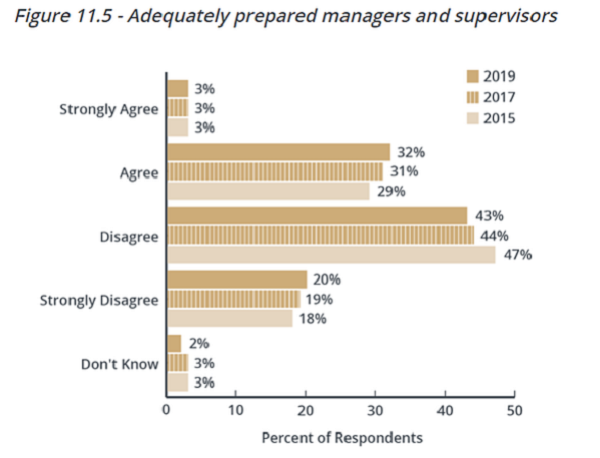
(source: Prosci, 2022c)
Most times, management and supervisors need to develop new skills to handle the new roles developed because of the change process, ie it can be a radical departure from roles that they have historically played in the organisation.
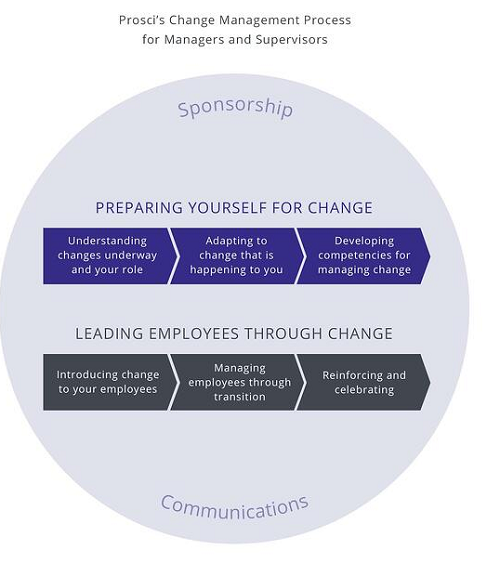
(source: Prosci, 2022c)
A good starting point is to ask management and supervisors the following questions:
- Do they know what is expected from them in times of change?
- Do they fully understand the specific actions and behaviours needed from them support the change effort?
- Do they have the skills or tools they need to be successful at leading their staff through the change?
NB Need to anticipate, integrate and activate to handle change resistance, ie
"...effectively anticipate resistance, integrating resistant management actions and activities into change management plans, and then activating the people-facing roles within the organisation..."
Prosci, 2022c
Eliminating avoidable resistance is a cost-saving exercise and increases the chance of success).