Cognitive Fatigue and Dopamine Deficit
Introduction
Despite humans continually evolving, our brains are resistant to change at a neuro-chemical level.
The brain's primary function is survival and it prefers to operate on autopilot, ie follow established routines, etc. This results in less energy being used (for more detail see elsewhere in the Knowledge Base).
The stress and angst of the pandemic (starting in 2020) has resulted in cognitive fatigue and a dopamine deficit for many people.
Cognitive fatigue
This occurs when the brain has to work harder to concentrate on tasks it used to be able to do much more easily beforehand.
For example, remote working has made the brain need to think more and differently; this has caused cognitive fatigue or mental exhaustion.
Some causes of cognitive fatigue:
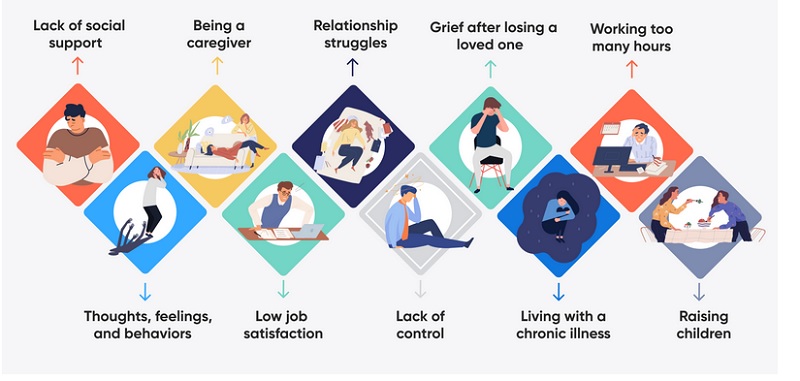
(source: Erin Eatough, 2021)
- chronic stress (keeping your body at continual high alert)
- uncertainty (the human body is better able to handle short-term stress than constant, nagging feeling of uncertainty like that caused by the pandemic)
- work stress (it has many forms
"...It can arise from values mismatch, difficulty managing tasks priorities, or a high-demand, risk-orientated job. Some jobs......involve a lot of new learning. They could also require processing and making sense of a lot of information..."
Allaya Cooks-Campbell, 2022
Working after hours including weekends and taking work home can be the basis for stress.
- family issues (such as being a carer, individual health issues, disputes, separation, divorce, etc can result in mental exhaustion)
- juggling multiple commitments (trying to do too many things; need to learn to manage priorities, etc)
- emotional stress (irrespective of cause, experience is the same, ie constant negative feelings, difficult to relax, etc)
- poor self-care (this requires you to be resilient in the face of stressful situations, etc)
Some careers are more susceptible to cognitive fatigue
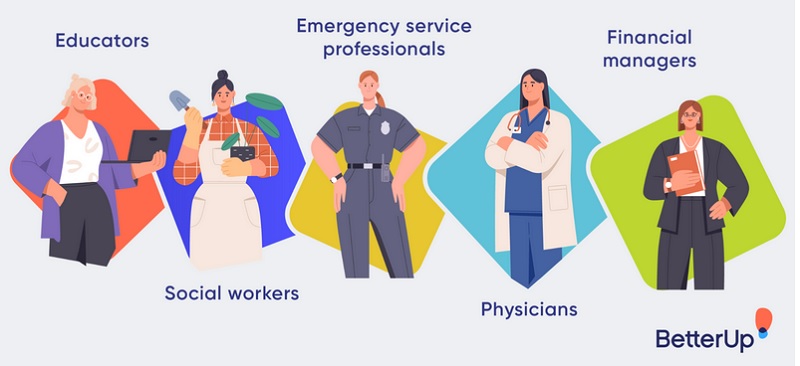
(source: Erin Eatough, 2021)
Some symptoms of cognitive fatigue include
- decreased satisfaction across all areas of life
- chronic tiredness or sleepiness
- constantly feeling overwhelmed
- lack of interest in normal activities
- fear of failure
- increasing cynicism, doubt, pessimism, depression, anxiety and negativity
- lack of purpose
- headaches
- dizziness
- sore or aching muscles
- muscle weakness
- slowed reflexes and responses
- impaired decision-making and judgement
- moodiness, such as irritability
- easily annoyed with others
- impaired hand-to-eye coordination
- appetite loss
- reduced immune system function
- blurry vision
- short-term memory problems
- poor concentration
- hallucinations
- reduced ability to pay attention to the situation at hand
- decrease self-efficacy and performance, ie make more mistakes, inability to follow complex ideas and resolve challenges, missed opportunities, lack of planning and follow-through, failure to meet deadlines, low engagement, poor attitude, etc
- low motivation
- feeling disconnected and isolated
- increased forgetfulness
- increased consumption of alcohol and drugs
- out of character lifestyle changes like increased risk-taking.
NB There are differences between mental exhaustion from stress, depression, burnout, or physical exhaustion
"...stress is a term that refers to anything that temporarily taxes a person's mental, physical and emotional resources. Our bodies respond to both good and bad stress in similar ways......depression is a mood disorder that is characterised by a persistent low mood. People that are mentally exhausted often feel depressed, and those that are depressed feel mentally drained......physical fatigue, like mental exhaustion, comes from prolonged stress - but from stress on the body......burnout is most similar to mental exhaustion......both are caused by long-term stress...... burnout......is classified especially as a workplace phenomena. On the other hand, mental exhaustion can be caused by anything - not just work stress..."
Allaya Cooks-Campbell, 2022
Some strategies to overcome cognitive fatigue
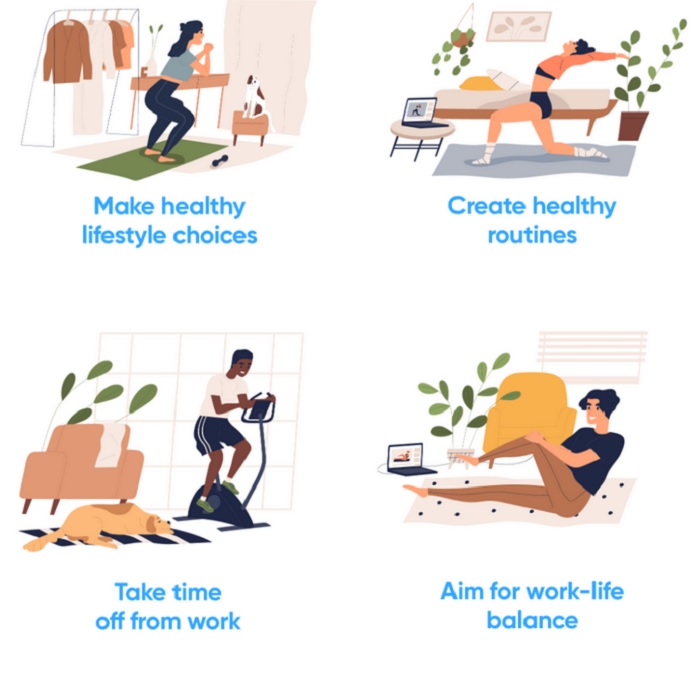
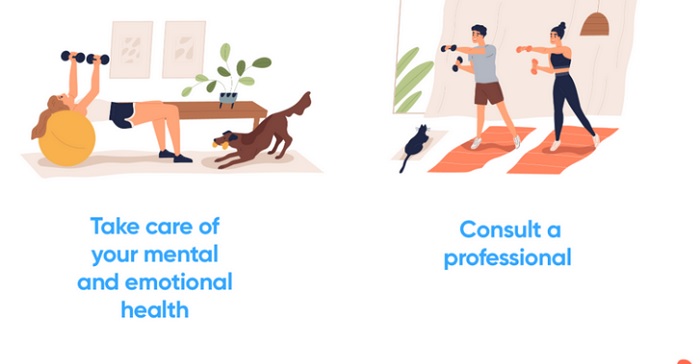
(source: Erin Eatough, 2021)
- eliminate stressors (includes relaxing your own expectations, etc)
- work-life balance (reduce the amount of time spent on stress-related activities; do things that make you happy; regularly exercise, ie 30+ minutes per day; listen to your body's messages, especially when you are tired, etc)
- clear your space (reduce physical clutter, etc)
- schedule and take regular breaks (take regular breaks during your day like every hour physically move away your desk for 5 minutes; use weekends and holidays as breaks away from your routine; utilise time management - for more details see elsewhere in the knowledge base)
- get outside (exposure to fresh air and sunlight as the latter
"...is important in regulating serotonin, vitamin D and your circadian rhythm..."
Allaya Cooks-Campbell, 2022)
- do something new (be curious; make time for play; try something different, new, always wanted to do, etc)
- reduce screen time
"...endless video calls, e-mails, and notifications can wear you down quickly. Your phone and e-mail keep your mind in a constant state of responsiveness. Take a digital detox - even if for a few minutes at a time......take time to give your brain (and your eyes) a break..."
Allaya Cooks-Campbell, 2022
- find positive ways to distract yourself (beware of escapist behaviour that can quickly become a bad habit, ie doesn't make you feel better in the long run
"...instead of coping with self-medicated substances, focus on positive methods of distraction like connecting with a friend, a pet or exercising..."
Allaya Cooks-Campbell, 2022
- take care of yourself (as stress is very demanding on your body, drink plenty of water, eat nourishing foods; have good sleeping habits, ie 7+ hours per night, etc
NB
"...Cortisone is known as a stress hormone, but it doesn't actually make you stressed. It helps your body respond to stress by making more glucose available, giving you a quick burst of energy..."
Allaya Cooks-Campbell, 2022
- focus on what you can control (understand what resources you have available, etc; explore different possibilities, etc)
- seek professional help (get an outside perspective that can provide helpful tips in improving; some examples of when to contact a professional include panic attacks, depression, thoughts of self-harm or harming others, uncontrollable crying, increasing absenteeism from work, danger of losing your job, inability to take care of your family, lack of attention to personal hygiene, etc.
NB Generally cognitive fatigue,At and recovery from it, takes time.
Dopamine Deficit
Dopamine is the brain-based, feel-good hormone, or neurotransmitter. It is released from the brain when you are doing things you are familiar with and, generally, like. It allows you to feel pleasure, satisfaction and motivation, ie
"...dopamine reward, which is caused by many pleasant experiences, including eating nice food, having sex, winning a game and earning money. Alcohol and many illegal drugs cause surges of dopamine, which is partly why people get addicted to them. Dopamine also has a role to play in controlling memory, mood, sleep, learning, concentration and body movements......having low levels of dopamine can make you less motivated and excited about things. It's linked to some mental illnesses including depression, schizophrenia and psychosis..."
health direct, 2021
Dopamine
"...is a salience indicator, meaning it helps us remember, and engage in activities that are important for our survival..."
rice, 2022
As the brain does not differentiate between artificial and authentic fun, good or bad habits, etc it will release dopamine for them all. Similarly, the cortisol system cannot distinguish between physical and emotional threats
"...when we're stressed, our bodies release cortisol, which is meant to help us respond to physical threats, but it can also be harmful if its elevated in response to the emotional stresses..."
Catherine Price, 2022
Your phones contained so many dopamine triggers that you become conditioned to repeat certain behaviours.
Dopamine is released when we encounter something new such as an app; this can become addictive, ie the more you want to use them, the more you want to use them thinking that they are fun.
"...The constant distractions served up by our devices are interfering with our ability to have fun, connect with others, and create memories. They are also affecting our creativity..."
Catherine Price, 2022
The prefrontal cortex is important for self-control (including making your anxieties go away); lack of self-control and anxiety encourages activities that provide a quick hit of dopamine, which can be unsatisfying in the longer term.
When remote working resulted in you doing things that were unfamiliar, ie working from home and not necessarily wanting to, ie potential conflict between personal/family life and work, etc. This resulted in a dopamine deficit.
However, as your brain being became more familiar with remote working, the dopamine 'hits' improved. However, now returning to the office has resulted in a dopamine deficit, as the brain has come conditioned to working remotely!!
You can boost your dopamine levels by addressing the cause of the problem and
"...naturally by eating a healthy diet, including food rich in L-Tyrosine (the proteins needed to make dopamine). These include almonds, avocados, bananas, beef, chicken and eggs. Turmeric, vitamin D, magnesium and omega-three supplements are also claimed to increase dopamine levels..."
health direct, 2021
Other dopamine rich foods include plantains, peas, eggplants, citrus fruits and tomatoes.